Scorpion Control
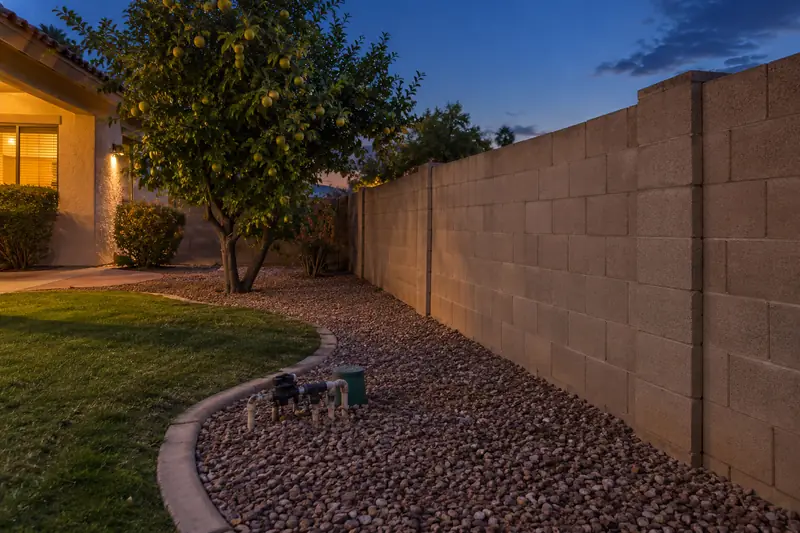
Arizona bark scorpions in older block walls and around the buttes. A UV night inspection, treatment where they hide, and sealing door, stucco and pipe gaps.
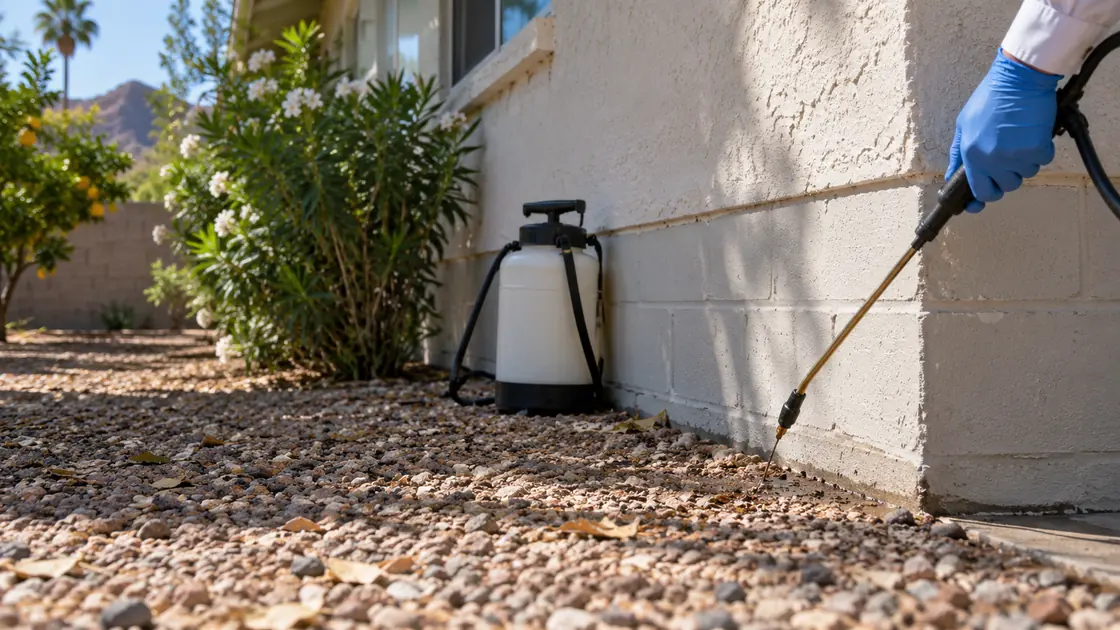
Pest control in Tempe for scorpions in block walls, roof rats in the citrus, roaches from the sewer and bed bugs in student rentals, from Maple-Ash and Mill Avenue to The Lakes and South Tempe.
Near Rural Road corridor, local pest problems turn up at the dryer vent before they turn up in the main rooms.
These six jobs cover most Tempe calls. Each card links to a page with the signs, what the technician does and how long it takes.
Arizona bark scorpions in older block walls and around the buttes. A UV night inspection, treatment where they hide, and sealing door, stucco and pipe gaps.
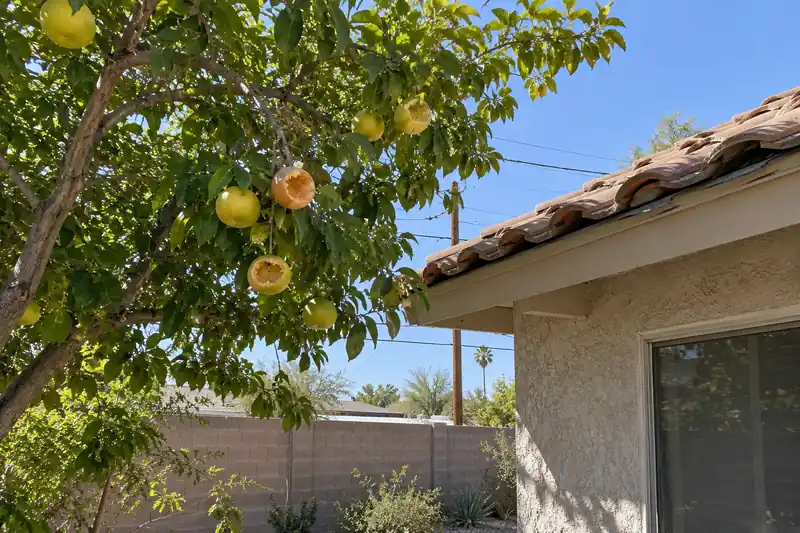
Roof rats running fence tops and climbing citrus and palms into attics. Roofline gaps sealed with metal, traps in the attic and a follow-up to confirm.
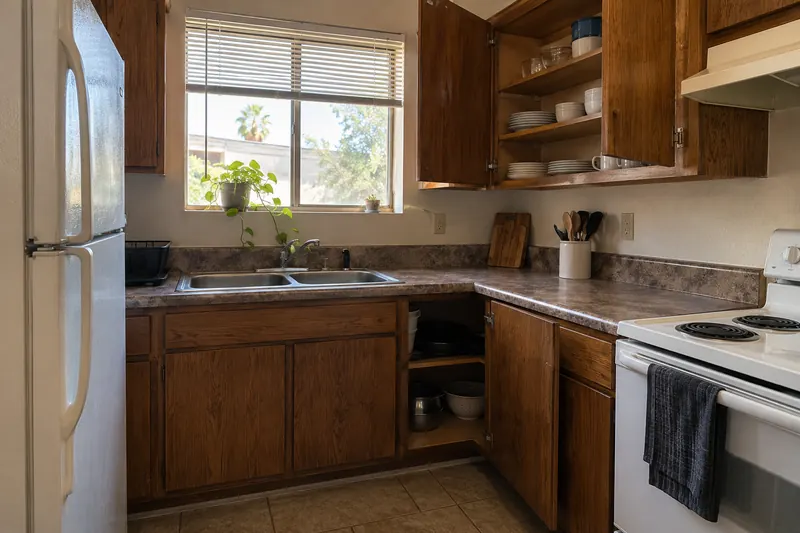
American roaches from the sewer, Turkestan roaches from the yard and German roaches in apartment kitchens. The right method for each, with a follow-up.
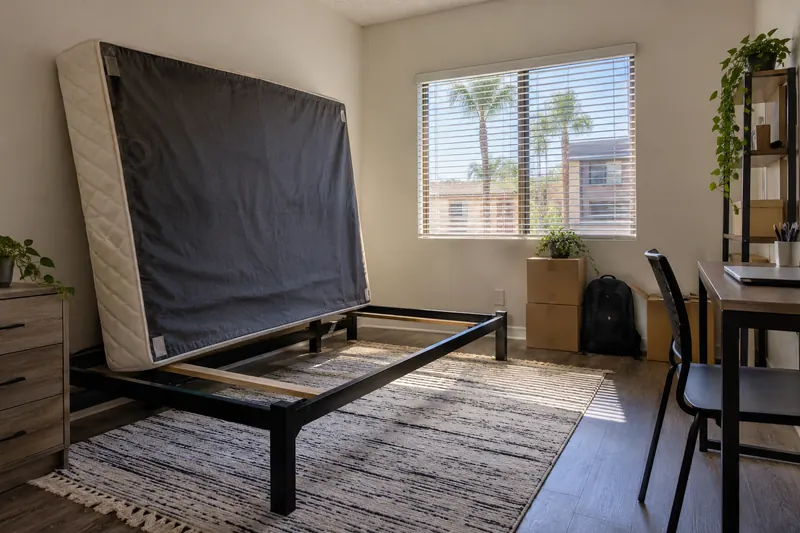
Bed bugs in student apartments, rentals and homes. A close inspection, a room-wide plan with follow-up visits, and help coordinating with landlords.
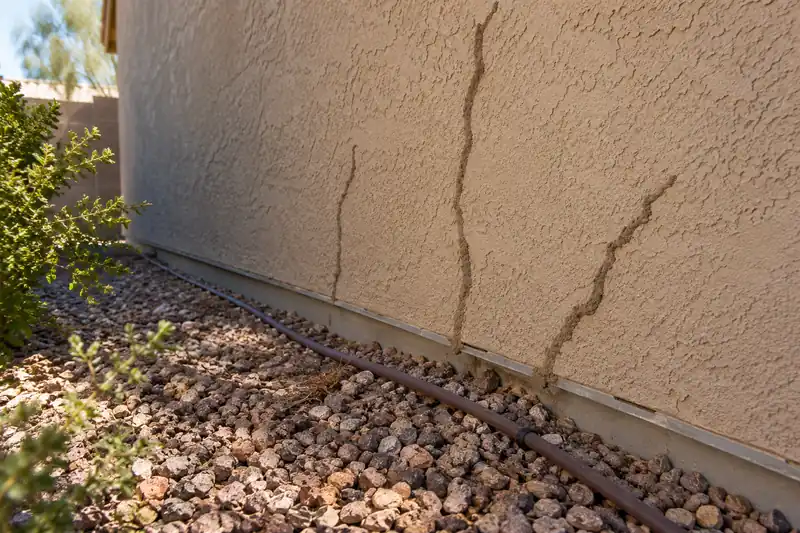
Desert subterranean termites tubing up stucco, slab cracks and door frames. A full inspection, then a liquid soil treatment or bait stations chosen for your house.
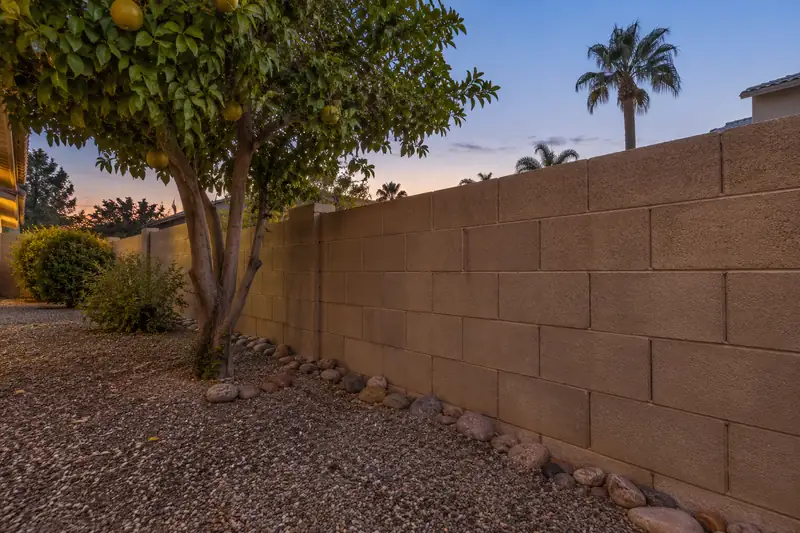
Honey bee swarms and colonies in block walls, eaves, meter boxes and palm trees. The colony is found first, and comb inside a wall comes out so bees do not return.
Pest control in Tempe, AZ covers everything from a ranch house with grapefruit trees in Maple-Ash to a fourth-floor apartment off Apache Boulevard.
Call now and tell us what you are seeing and where. A technician inspects, confirms the pest, finds where it is coming from and gives you the price before any treatment.
Tempe is a city of older neighborhoods and a very big university.
North of the US 60, many homes date from the 1950s through the 1970s, with block walls, mature citrus and palm trees, oleander hedges and alleys behind the back fence.
That mix is perfect for roof rats, which run the fence tops and climb citrus trees into attics, and for bark scorpions, which live in the gaps of old block walls.
Around Arizona State University, thousands of students move in and out of apartments every August and May, carrying German cockroaches and bed bugs from building to building.
Then there is the heat.
When Tempe sits above 110 degrees for days at a time and the air conditioner never shuts off, American cockroaches climb out of the sewers, Turkestan roaches move from water meter boxes to the back door, and scorpions look for the cool, damp space under a bathroom sink.
Monsoon storms add a burst of termites, crickets and roaches every July and August.
This page walks through each of those problems, what the technician does about them, the neighborhoods we cover and the questions people ask before they book.
Why Tempe residents call us
We know Tempe's two kinds of housing. A single-family home in Mitchell Park or The Lakes and an apartment near Mill Avenue have very different pest problems.
The technician treats a house for scorpions and roof rats differently from a unit with German roaches or bed bugs, and works with whoever needs to be involved, owner, tenant or manager.
Inspection before treatment. The technician checks the garage, kitchen, bathrooms, laundry, block walls, yard, trees and roofline, then explains what was found and where it is coming from.
No guessing, no spraying for pests you do not have.
Sealing is part of desert pest control. Bark scorpions fit through gaps the thickness of a credit card, and roof rats squeeze through holes the size of a quarter.
Door sweeps, weep screeds, roof vents and pipe gaps get pointed out or sealed.
The price comes first. Cost depends on the pest, the size of the home or unit and how much sealing is needed. You hear it before treatment, and nothing happens until you agree.
Straight talk about scorpions and roaches. In the desert, nobody can promise zero scorpions or zero sewer roaches.
A good program cuts how many get inside and where they can hide, and the technician tells you what to expect.
Arizona licensing. Pest control in Arizona is licensed by the Arizona Department of Agriculture's Pest Management Division. Ask for the license number on the phone.
What each pest looks like in Tempe, where it comes from and what the visit does about it.
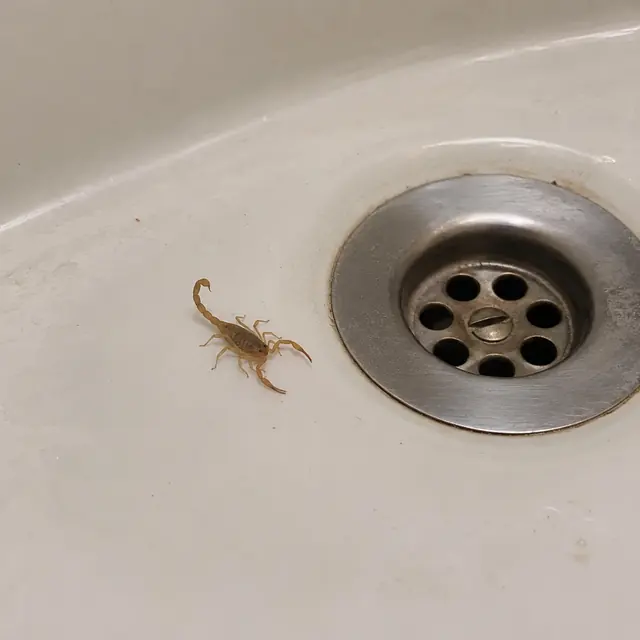
Slender, light brown scorpions that climb walls and ceilings and hide in block wall gaps, landscape rock, palm skirts and garages.
Homes near Papago Park, the Tempe Buttes and Hayden Butte, and older homes with long block walls, see the most. Their sting is very painful and can be serious for young children. See scorpion control.
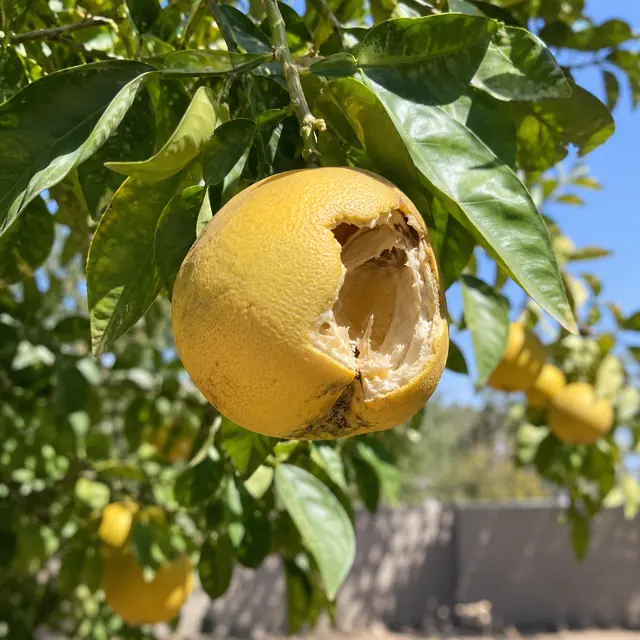
Roof rats arrived in the Phoenix area in the early 2000s and are now common in older Tempe neighborhoods with citrus trees, palms and dense oleander.
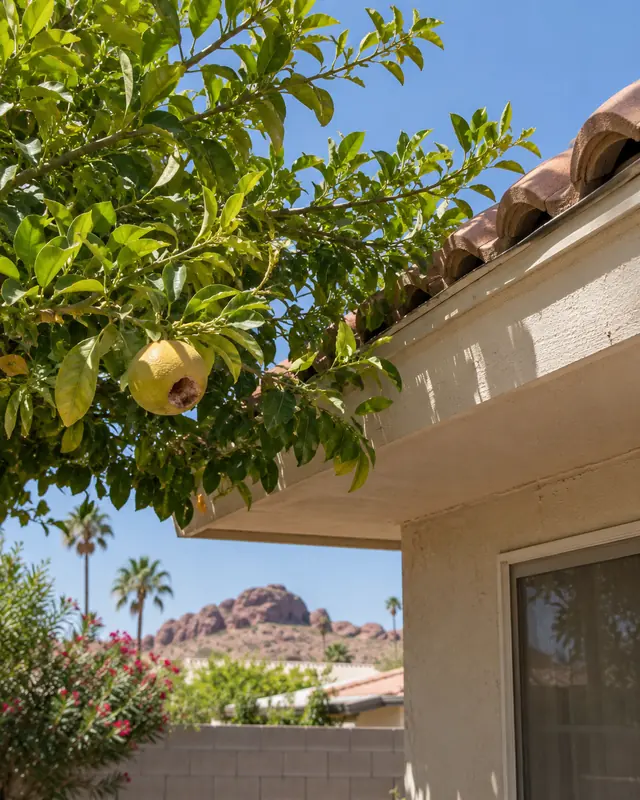
They travel along fence tops and power lines, eat citrus on the tree, leaving hollowed-out rinds, and nest in attics. See roof rat control.
Big reddish roaches that come up through floor drains, shower drains and gaps around plumbing, especially during the hottest weeks of summer and right after monsoon storms.
They live in Tempe's sewer and storm drain system, so the fix is the house's entry points plus exterior treatment. See cockroach control.
An outdoor roach now very common across the Valley. They live in water meter boxes, irrigation valve boxes, block wall cracks and compost and slip under doors at night.
Males are tan with long wings; females are dark and short-winged. They are not German roaches, and they are treated outside.
Homes around Scottsdale get the local pest problems inspection at the bath trap first, because that is where the activity usually starts.
Gel bait, a growth regulator and a follow-up clear them, ideally with connected units treated at the same time.
Student move-in and move-out, used furniture from curbs and online listings, and busy hotels near the airport keep bed bugs moving through Tempe.
Bites in a row, rust-colored spots on mattress seams and shed skins are the signs. See bed bug treatment.
Pack rats, or white-throated wood rats, live in the desert around Papago Park and the buttes and in yards with prickly pear and brush. They build stick-and-debris nests and chew car wiring.
If you find a big pile of sticks under a shrub or nesting material under your hood, call; trapping and removing the nest is the fix.
Desert subterranean termites tube up stucco, block walls and slab cracks, and eat the paper on drywall.
Swarms after the first monsoon storms and mud tubes on the garage wall are the giveaway. Treatment is a soil barrier or bait stations, quoted after an inspection.
Black widows and crickets
Black widows live in block wall gaps, meter boxes, patio furniture and garage corners all over Tempe.
Crickets swarm porch lights in summer and become scorpion food. Cutting clutter, switching to yellow or LED bulbs and treating harborage areas lowers both.
Tempe Town Lake, the Salt River channel, the SRP canals and The Lakes neighborhood all hold water through the summer, and backyard containers, clogged pool covers and over-watered planters add more.
Culex mosquitoes bite at dusk and can carry West Nile virus, which Maricopa County tracks every year. Dumping standing water and treating the shady spots where adults rest keeps a yard usable.
We cover Tempe from Papago Park and North Tempe through the ASU area and the older neighborhoods south of University Drive, down to The Lakes, Warner Ranch and the Kyrene corridor in South Tempe.
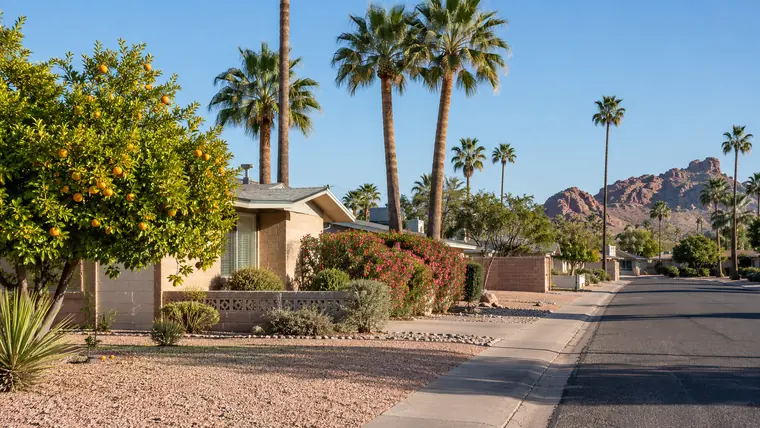
Older neighborhoods like Maple-Ash, Mitchell Park and the streets around Kiwanis Park, with citrus, palms and alleys, see the most roof rats.
Homes near Papago Park and the buttes see more scorpions and pack rats.
The ASU area, Mill Avenue and the apartment blocks along Apache and University see the most German roaches and bed bugs. The Lakes, with its lakefront yards, gets more crickets and mosquitoes in summer.
Tempe has mild winters, extreme summer heat and a monsoon season, and older neighborhoods with flood irrigation keep the soil wetter than the desert around them.
Homes around Mill Avenue get the local pest problems inspection at the bath trap first, because that is where the activity usually starts.
For local pest problems in Tempe, the visit starts at the pet door and then follows whatever that shows.
Honey bee swarms, many with Africanized genetics, look for walls, meter boxes and irrigation valves to move into, and roof rats (*Rattus rattus*) feed on ripening citrus.
What decides the local pest problems plan in Tempe is the building near South Tempe, and the meter box is on that list.
Heat drives American cockroaches (*Periplaneta americana*) up from sewers, and Turkestan cockroaches (*Shelfordella lateralis*) come out of water meter boxes and block walls at night.
Scorpions move toward cool, damp spots indoors such as bathtubs, sinks and laundry rooms.
A Tempe home with local pest problems at the crawl-space vent needs that spot named when you call, so the visit starts in the right place.
Humid storms trigger desert subterranean termite (*Heterotermes aureus*) swarms and bring crickets, flying ants and more scorpions to the walls.
Flood irrigation and standing water after storms breed mosquitoes, including the yellow fever mosquito (*Aedes aegypti*).
In Tempe, local pest problems near Maple-Ash are traced from the ridge vent, not from a product chosen before anyone looks.
Scorpions slow down and hide in walls and block fences. German cockroaches (*Blattella germanica*) and bed bugs spread through apartments during move-in and move-out near ASU, and roof rats nest in attics and palms.
It depends on your lease and Arizona landlord-tenant rules. Tell your landlord or manager right away. We can work directly with the manager to treat your unit and connected units.
Roof rats eat citrus and nest in dense trees, palms and oleander, then move into attics. Picking fruit promptly and trimming trees away from the roof helps alongside sealing and trapping.
Not in the desert. A good program cuts the number getting inside and where they can hide, and sealing gaps makes the biggest difference.
American roaches live in the sewer system and come up through drains, especially in extreme heat. Keep drain traps full, use drain covers and have gaps around pipes sealed.
Look for small rust-colored spots and shed skins on mattress seams and the bed frame, and live flat reddish-brown bugs. Bites alone are not proof.
Do you need a contract?
No. One-time treatments with follow-up are available. Ongoing plans are optional.
Local pest problems around The Lakes follow the way the house is built, and the porch step is one of the first places checked.
Writing down where local pest problems were seen near Guadalupe, including the eave gap, makes the Tempe visit shorter and more exact.
Sometimes. Call now early and ask about the first open time. You get a straight answer.
Do you treat apartment buildings and HOAs?
Yes. Managers and HOAs can set up building-wide or community-wide service so connected units and common areas are treated together.
Do not close up the stored firewood before the inspection for local pest problems in Tempe, or the useful evidence is gone.
Flood-irrigated yards stay wet for days, which draws termites, crickets, roaches and the scorpions that feed on them, and standing water can breed mosquitoes. Draining low spots quickly helps.
The local pest problems check in Tempe covers the block fence and the stored firewood on the same walk-through.
Yes. Monsoon humidity and storms trigger termite swarms and bring out crickets, roaches and scorpions, and pests often move indoors after a storm floods their hiding places.
In Tempe: 85281, 85282, 85283, 85284, 85288. Nearby: Guadalupe 85283; Mesa 85201, 85202, 85203, 85210; Chandler 85224, 85225, 85226; Scottsdale 85251, 85257.
Not sure about your ZIP code? Call now and give us your street.